



How to get rid of mold? Clean the surface with white vinegar or diluted bleach, dry it fully, and fix the moisture source – or it will keep coming back. If mold returns after cleaning, hidden water seepage is likely the real cause. Zero Leakage detects it without breaking any tiles or walls, so you fix it right the first time.
You have noticed it. A dark, fuzzy patch creeping up your bathroom wall. A musty smell you just cannot place. Or maybe the paint on your ceiling has started bubbling. If any of this sounds familiar, you need to know how to get rid of mold the right way, not just the quick-fix way.
Mold is not just a cosmetic problem. Left alone, it quietly damages your walls, your health, and your home’s structure. Millions of homes in India, especially in humid cities like Mumbai and Pune, deal with this problem every year, particularly during and after the monsoon season. This guide covers everything from your bathroom tiles and ceiling to your clothes and outdoor pavers, and also explains when it is time to stop doing it yourself and call in the experts.

Why Does Mold Keep Growing in Your Home?
Before you learn how to get rid of mold, you need to understand why it is there in the first place. Mold is a type of fungus that loves three things: moisture, warmth, and darkness. When these three come together in your home, usually because of a water leak, poor ventilation, or high humidity, mold finds the perfect place to grow and spread.
In most Indian homes, the real cause is hidden water seepage. A pipe leaking inside a wall. A slow drip from a terrace slab. Water entering through cracks in the exterior wall during rain. You may not even see the source, but the mold on your wall is telling you that water is present somewhere nearby.
Common reasons mold appears in your home:
- Hidden pipe leaks inside walls or under floors that go unnoticed for weeks or months
- Poor bathroom ventilation that traps steam and moisture after every shower
- Terrace or roof seepage that causes damp patches on your top-floor ceiling
The key point here is simple: cleaning mold without fixing the water source is like mopping the floor without turning off the tap. The mold will return within days or weeks. This is why finding the actual source of moisture is the most important step in knowing how to get rid of mold for good.
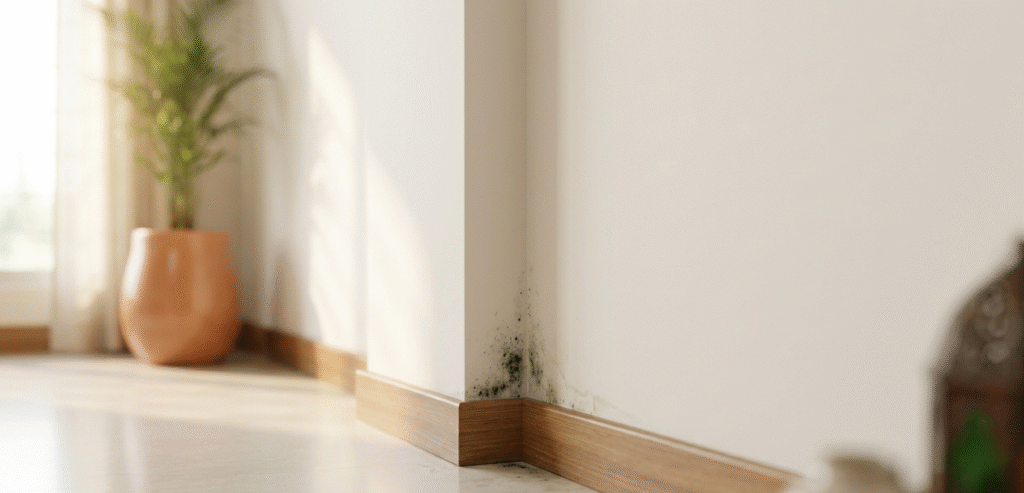
How to Get Rid of Mold on Wall, Ceiling, Bathroom and More.
Different surfaces need slightly different approaches. Here is a clear guide for each area of your home.
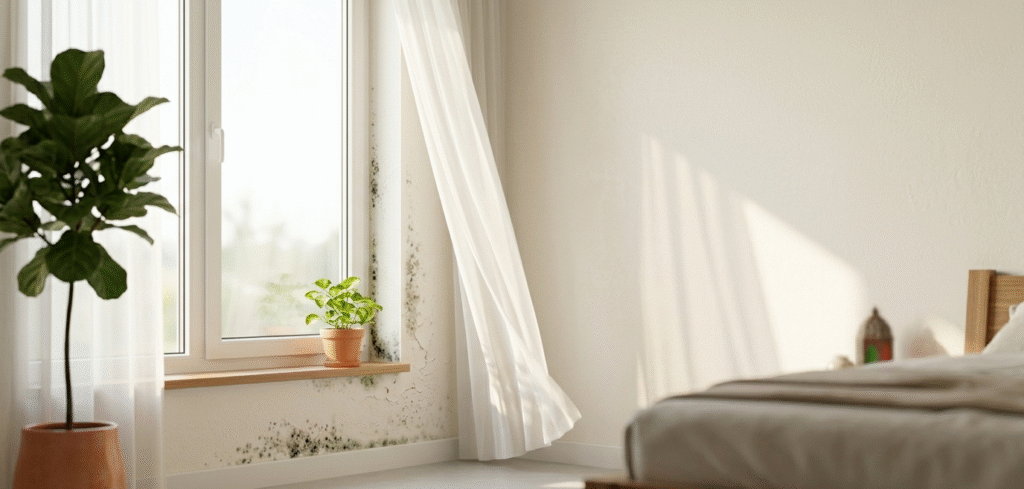
How to Get Rid of Mold on a Wall?
If you want to know how to get rid of mold on wall, start by checking whether the wall is damp to touch. If yes, there is an active water source behind it. For small patches on painted walls, mix white vinegar with water in a spray bottle, apply it generously, wait 30 to 45 minutes, and then scrub with a stiff brush. Wipe clean and let it dry fully. For stubborn stains, a diluted bleach solution, 1 part bleach to 3 parts water, works well on non-porous painted surfaces. Never paint over mold. It will peel within weeks and the problem will return worse than before.
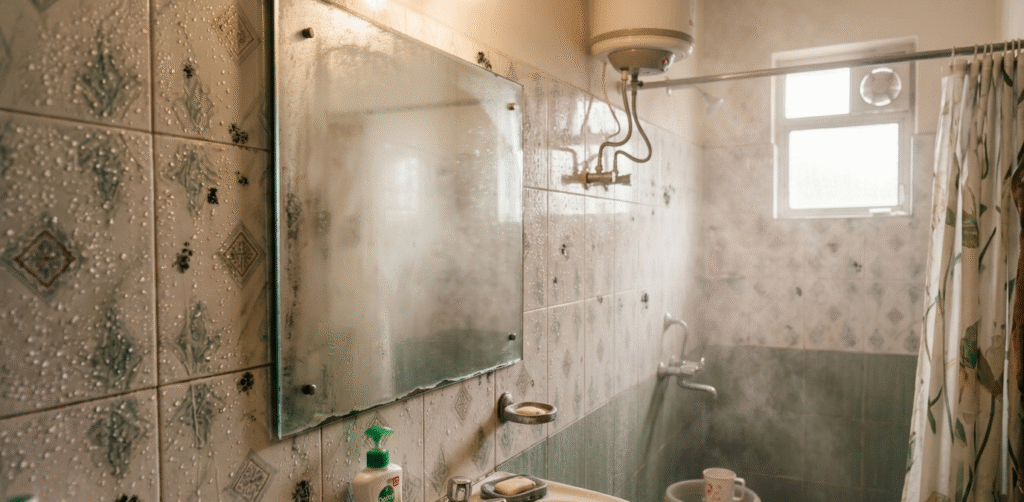
How to Get Rid of Mold in Bathroom?
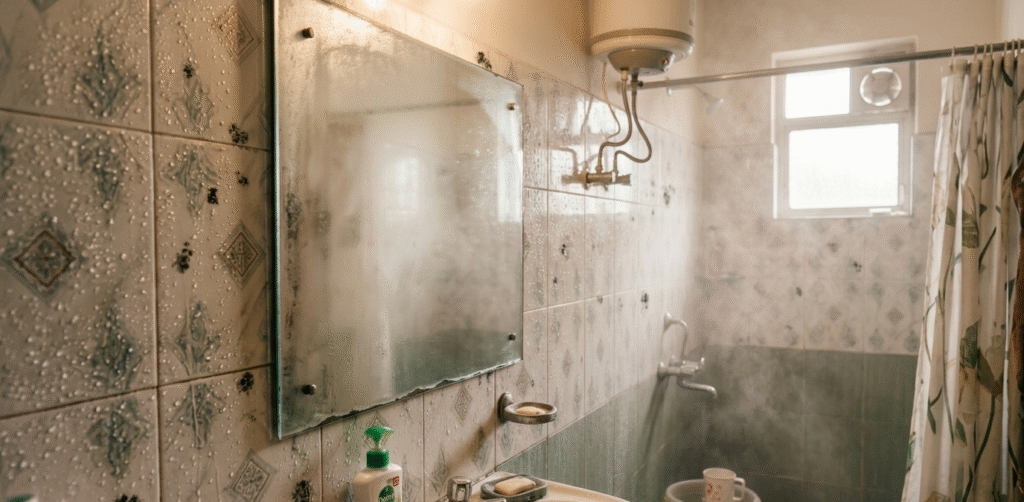
The bathroom is the most common place for mold in any home, simply because of the constant moisture. Knowing how to get rid of mold in bathroom is something every homeowner needs. Focus on tile grout, the area behind the toilet, and the base of the walls. Spray undiluted white vinegar on the affected tiles, leave it for one hour, then scrub and rinse thoroughly. For grout lines, an old toothbrush works brilliantly. After cleaning, always run the exhaust fan for at least 15 minutes after a shower to let the moisture escape.
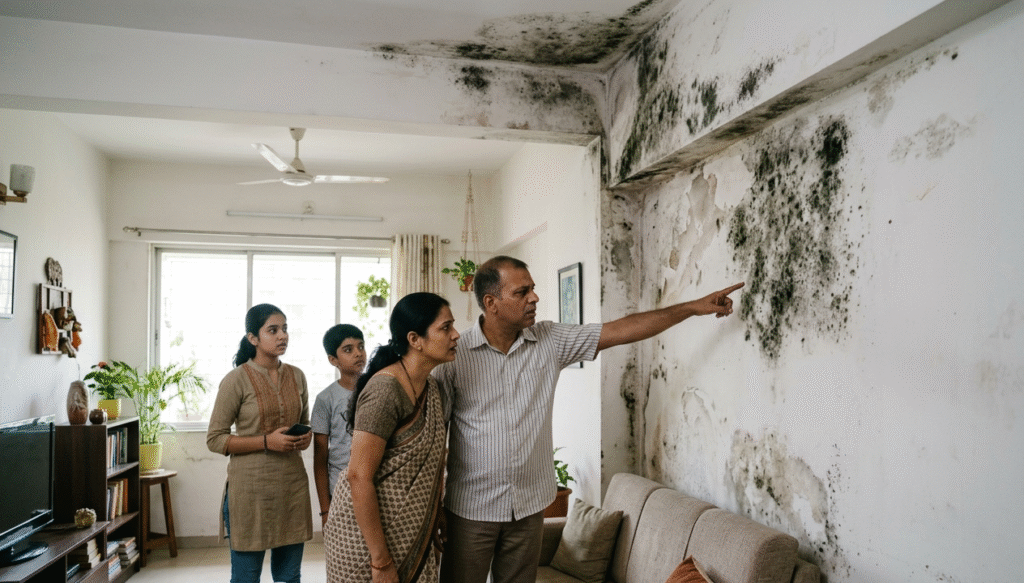
How to Get Rid of Mold on a Ceiling?
Ceiling mold is one of the most worrying signs because it often means water is coming from above, either from a roof leak or a bathroom on the floor above. Understanding how to get rid of mold on a ceiling requires extra care. Wear a mask and goggles before you start, because mold spores can fall directly into your eyes and nose when you are working overhead. Apply a bleach-water solution using a spray bottle, let it soak for 15 minutes, and wipe gently with a cloth. Dry the area with a fan immediately after. If the ceiling mold keeps returning, it is a clear sign of ongoing water seepage from the roof or slab above.
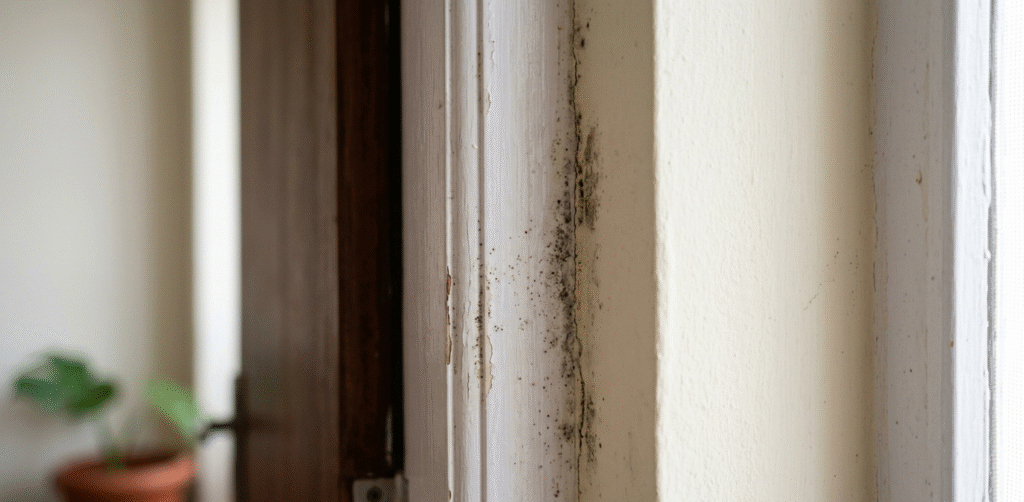
How to Get Rid of Mold in Home (General Spaces)
For other areas of the home, bedroom walls, living room corners, or inside wardrobes, how to get rid of mold in home follows the same basic principle. Clean the visible mold, improve air circulation, and reduce humidity. Place a small dehumidifier in rooms that stay damp. Keep furniture a few centimetres away from exterior walls so air can move freely. Check for small cracks or gaps in walls near windows and seal them properly.
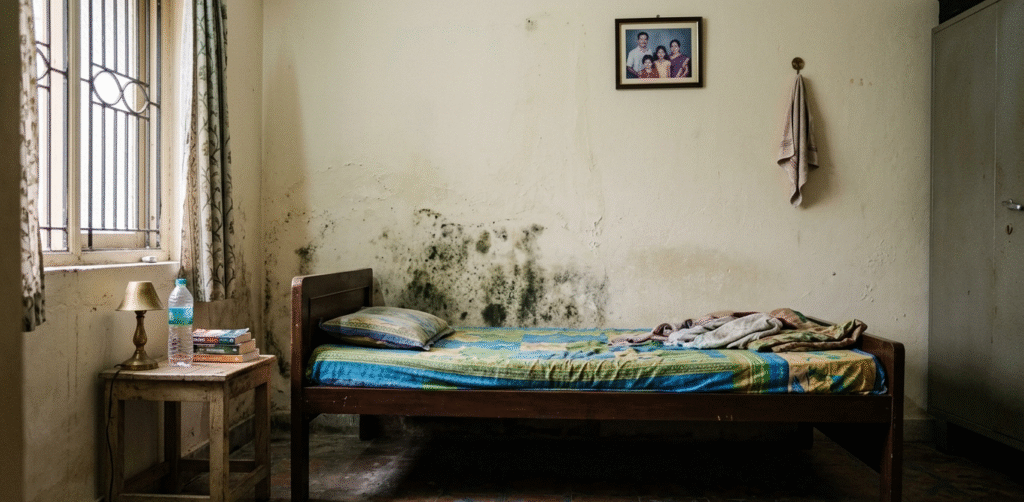
How to Get Rid of Mold in Clothes?
Clothes stored in damp wardrobes or packed away during monsoon often develop mold patches. For how to get rid of mold in clothes, take the garment outside first and brush off the loose mold gently. Then soak it in a solution of warm water and white vinegar for 30 minutes before washing normally. For white fabrics, a small amount of lemon juice added to the wash can help remove stains. Never machine wash moldy clothes with other garments, as you risk spreading the spores to clean items.
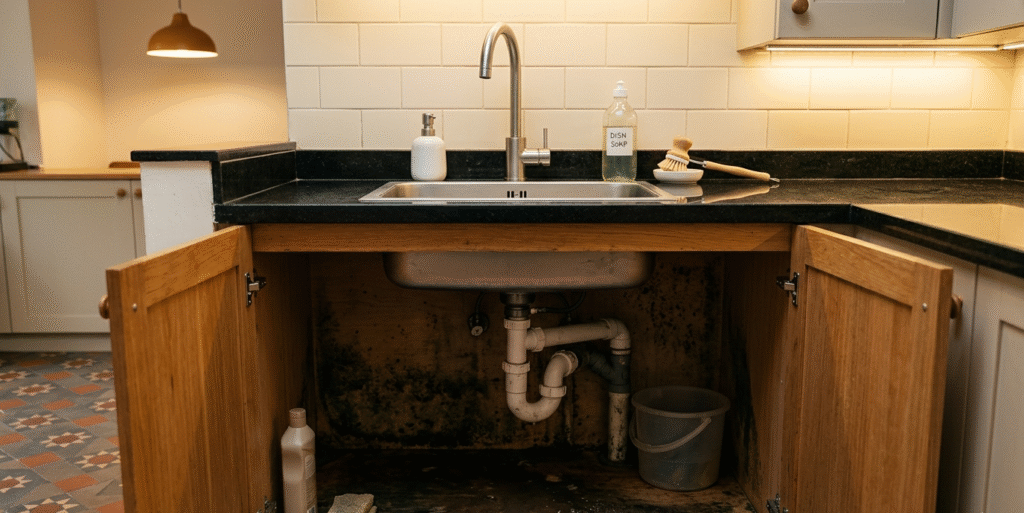
How to Get Rid of Mold Between Pavers?
Outdoor spaces like garden paths, driveways, or building compounds often show green or black mold growing between paving stones. For how to get rid of mold between pavers, pour boiling water over the affected joints to kill the growth. For stubborn cases, scrub with a stiff brush dipped in a diluted bleach solution. Once clean and dry, apply a fungicidal paver sealer to keep moisture from seeping into the joints again. Good drainage around the pavers is the long-term answer here.
Quick Reference Table on How to Get Rid of Mold:
| Location | Best Cleaning Agent | Key Prevention Step |
|---|---|---|
| Wall (painted) | White vinegar / diluted bleach | Fix hidden pipe leaks |
| Bathroom tiles | Undiluted white vinegar | Use exhaust fan after shower |
| Ceiling | Bleach solution (1:3) | Check roof / slab for seepage |
| Clothes | Vinegar soak + normal wash | Air wardrobe regularly |
| Pavers (outdoor) | Boiling water + scrub | Improve drainage, apply sealer |
| General home | Dehumidifier + ventilation | Seal cracks, allow airflow |
Why DIY Cleaning Alone Is Not Enough?
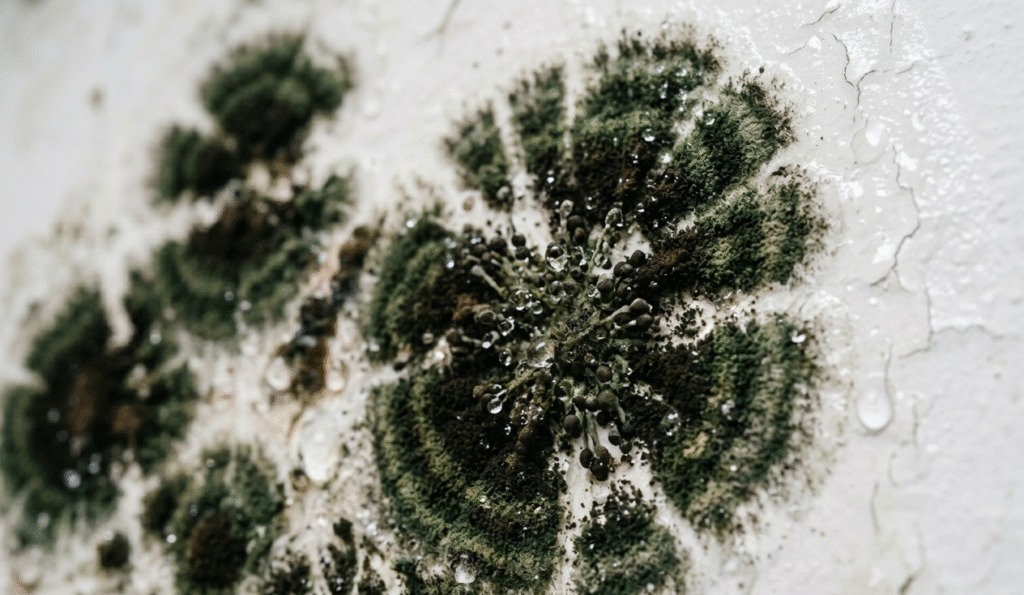
Here is the truth that most guides will not tell you clearly. Scrubbing mold off a surface only removes what you can see. The roots of the fungus go deeper into your wall, tile grout, or ceiling plaster. And if there is moisture still coming in from a hidden leak, the mold will return, usually within 2 to 4 weeks.
Many people try to get rid of mold by simply painting over it with waterproof paint. This seems to work for a few weeks, but the moisture trapped underneath eventually pushes through, causing the paint to bubble and peel. The mold is back, sometimes worse. This is a very common and very costly mistake.
Warning signs you must not ignore:
- The mold is black and appears almost powdery or fuzzy, which could be toxic black mold that is harmful to health
- Anyone in your home experiences unexplained coughing, runny nose, or breathing difficulty near moldy areas
- The affected area is larger than 10 square feet, at which point professional help is strongly advised
The only real, lasting solution to how to get rid of mold in any part of your home is to find the exact source of moisture, stop it permanently, and then clean the affected surface. No cleaning product in the world can replace fixing the root cause.
Zero Leakage: The Smarter Way to Solve Mold for Good
Still seeing mold come back even after cleaning? The real problem is hiding behind your walls, and you need the right technology to find it.
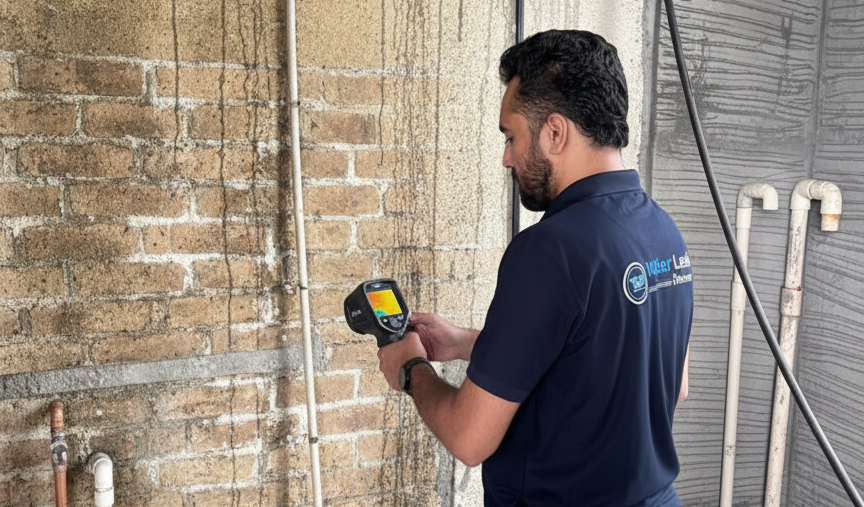
At Zero Leakage, we help you find the exact source of water leakage or seepage without breaking a single tile, wall, or floor. Our expert team uses thermal imaging cameras and moisture scanners to detect hidden water problems that you simply cannot see with the naked eye. This non-destructive method saves your time, your money, and the effort of unnecessary repair work.
Why homeowners in Mumbai and Pune trust Zero Leakage:
- No breaking, no drilling, no mess — we find the source before any repair work begins
- Thermography technology that pinpoints exactly where water is entering your home
- Faster results — know the exact problem area within a single visit
- Certified experts with experience across residential and commercial properties
Worried about mold on your ceiling, walls, or bathroom that keeps coming back? Do not break anything without knowing the real cause. Let Zero Leakage show you exactly where the water is coming from, so you can fix it once and fix it right.
Book a free consultation today. One call can save you months of repeated repairs.
How to Prevent Mold from Coming Back?
Once you know how to get rid of mold and have cleaned the affected areas, prevention becomes your priority. Mold prevention is not complicated, but it does require consistent habits.
Ventilation is the single most powerful tool against mold. In your bathroom, run the exhaust fan during and for at least 15 minutes after every shower. In rooms that stay closed for long periods, especially during and after monsoon, open the windows for a few hours every day to let fresh air in. Mold struggles to grow where air moves freely.
Three simple daily habits that make a real difference:
- Wipe down wet bathroom tiles and surfaces with a dry cloth after each use
- Check your kitchen and bathroom plumbing for any slow drips every three months
- Keep indoor plants away from walls, as soil moisture increases wall dampness over time
For rooms that are consistently humid, a small dehumidifier can maintain indoor moisture levels below 50%, which is the level at which mold finds it very difficult to grow. Mold-resistant paint is another helpful addition when repainting walls. It does not eliminate mold if water seepage continues, but it does slow down surface growth and gives you more time to act.
Conclusion
Knowing how to get rid of mold is genuinely useful, but only when you pair it with finding and fixing the source of moisture in your home. You can clean mold from your bathroom tiles, your ceiling, your clothes, or the pavers outside using simple home remedies like vinegar, bleach solution, or baking soda. But if water is still entering your walls from a hidden crack, pipe, or roof, the mold will return every single time.
The wisest thing any homeowner can do is treat a mold problem as a water problem first, and a cleaning problem second. That one shift in thinking will save you years of frustration, money, and repeated repairs. If your mold keeps coming back, stop cleaning it and start finding where the water is coming from, because that is where the real problem lives.
How to Get Rid of Mold – FAQ’s
What is the fastest way to get rid of mold at home?
Spray undiluted white vinegar on the moldy surface, wait 30 to 60 minutes, then scrub and wipe clean. For tougher mold, use a 1:3 bleach-water solution. Always dry the area fully after cleaning to prevent regrowth.
How do I get rid of mold on a wall without damaging the paint?
Mix white vinegar with water and apply gently with a cloth. Avoid strong bleach on painted walls as it can fade colour. Always test on a small patch first. Fix any dampness in the wall before repainting to prevent the mold from returning.
How to get rid of mold in the bathroom permanently?
Clean with vinegar or bleach solution, then improve ventilation by running an exhaust fan after every shower. Seal grout lines once clean and dry. Fix any pipe drips or seepage behind bathroom walls to stop moisture at the actual source.
Is it safe to remove mold yourself?
Yes, for small patches under 10 square feet on non-porous surfaces. Always wear gloves, a mask, and goggles. For large infestations or black mold, call a professional, as DIY removal can spread spores to other parts of the home.
How to get rid of mold on a ceiling without it spreading?
Wear a mask and goggles before starting. Spray bleach solution gently, let it sit for 15 minutes, and dab with a cloth rather than scrubbing hard. Place a plastic sheet below to catch falling spores. Dry immediately with a fan after cleaning.
Why does mold keep coming back even after cleaning?
Because the moisture source has not been fixed. Mold regrows whenever water or humidity is present. Find and repair the leaking pipe, crack, or seepage point first. Surface cleaning alone is only a temporary fix without addressing the root cause.
How to get rid of mold between pavers in my garden or compound?
Pour boiling water over the joints and scrub with a stiff brush. Apply diluted bleach for stubborn growth. Once fully dry, seal the paver joints with a fungicidal sealer. Ensure good drainage around the area to keep moisture away long term.
How to get rid of mold in clothes stored during monsoon?
Brush off loose mold outdoors first. Soak the garment in warm water and vinegar for 30 minutes, then wash normally. Add lemon juice for white fabrics. Always wash moldy clothes separately from other garments to avoid spreading spores.
Does painting over mold work?
No. Paint applied over mold will peel within weeks and the mold will return underneath. Always remove all mold completely, let the surface dry fully, and use mold-resistant primer before repainting. Fix the water source first for any lasting results.
When should I call a professional to remove mold?
Call a professional when mold covers more than 10 square feet, keeps returning after cleaning, appears black and powdery, or if family members show health symptoms like coughing or breathing difficulty near the affected area of your home.


